WHY SHARKS MATTER
If sharks die, we die.
Sharks have ruled the oceans for 450 million years and still do, shaping the hierarchy and behaviour of its inhabitants. Thanks to sharks, the oceans operate in a way that benefits us all.

However, right now, upwards of 73 million sharks are being killed every year, meaning that one in four shark species are facing extinction.
Because many people are terrified of sharks, few people have supported shark conservation initiatives. But now time is running out to save sharks and humanity.
Without sharks we risk a warming climate, fewer fish and more diseased seafood, increased unemployment and more extreme weather patterns.
As apex predators, sharks keep the populations of species below them in check. When sharks disappear, their prey species (the fish and mammals they eat) explode in numbers.
The rapid growth of these mid-level predators would mean that this group could rapidly consume its prey species further down the food chain, leading to a boom-or-bust scenario known as a ‘trophic cascade’.
Ultimately a point is reached where some ocean inhabitants excel while others die. Fast reproducing species like jellyfish could end up dominating the oceans while the absence of algae eating fish would mean that coral reefs would become suffocated by carpets of algae. Important habitats for fish species.
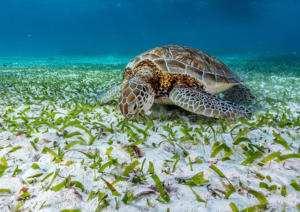
Elsewhere for example, with no sharks to prey on turtles, rising numbers of turtles would mean the overgrazing of seagrass meadows. Critical to life on earth, seagrass meadow are one of the most important and significant ‘carbon sinks’ on the planet, storing up to 30% of the world’s CO2 emissions.
Without seagrass meadow, coral reefs, mangroves and salt marshes new, unprecedented levels of CO2 would exist in the atmosphere. This increase in CO2 would accelerate the warming of the planet leading to dramatic changes in weather patterns such as prolonged summers, harsher winters, more numerous cyclones and storms. These new weather patterns could easily result in failed crops leading to global food security issues.
Back in the oceans, the new imbalance in the marine food web would cause commercial fisheries to collapse, as the prey species of sharks would be left unchecked to consume many of the same sea fish that humans rely on. Most likely, the remaining stocks would be smaller or riddled with disease. The knock on effect would be fewer jobs in the fishing industry and rising prices for fish.

Things like the proliferation of jellyfish, dying coral and algae blooms could bring once popular beach holiday destinations to their knees, again resulting in new levels of unemployment and economic peril.
All of this because nobody stood up for the sharks when they had a chance.
DONATE NOW TO SUPPORT OUR CAMPAIGNS
"We don't need everyone to fall in love with sharks, but we do need everyone to understand just how important they are to life on Earth"
Graham Buckingham
Campaign director, Bite-Back
PLEASE SUPPORT OUR CAMPAIGNS


